
Automotive Temperature Sensor Manufacturer in India
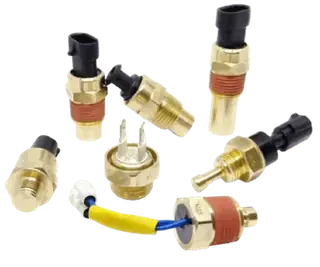
Sensing Technologies is an IATF 16949:2016-certified temperature sensor manufacturer in India, engineering automotive NTC temperature sensors in Mumbai since 1985 for 100+ OEMs. Continuous NTC thermistors and electronic temperature sensors deliver ±3°C accuracy with custom Rt curves for coolant, EGR, HVAC, oil and EV battery monitoring — -40°C to +150°C, IP67.
Key Applications:
- Coolant Temperature Sensors
- EGR applications
- HVAC control & climate sensing
Technical Excellence:
Need an on/off thermostat instead? See temperature switches →
Automotive Temperature Applications
Comprehensive temperature monitoring solutions for critical automotive systems requiring precise thermal management.
Radiator Fan Control
Precision thermal switching for engine cooling fan activation preventing overheating
EGR Temperature Sensing
Critical temperature monitoring for Exhaust Gas Recirculation systems optimizing emissions control
HVAC Climate Control
Precise cabin temperature sensing for automatic climate control and passenger comfort
Coolant Temperature Monitoring
Engine coolant temperature sensing for thermal management and overheating protection
Air Charge Temperature (ACT)
Intake air temperature measurement for fuel injection timing and combustion optimization
Battery Thermal Management
Critical temperature monitoring for electric vehicle battery safety and performance optimization
Oil Temperature Monitoring
Engine oil temperature sensing for lubrication system health and viscosity optimization
Temperature Sensor Technology & Technical Specifications
Precision automotive temperature sensors engineered for extreme environments with industry-leading accuracy and reliability.
How an NTC Thermistor Temperature Sensor Works
An NTC (Negative Temperature Coefficient) thermistor is a resistor whose resistance falls in a predictable, non-linear way as its temperature rises. In an automotive temperature sensor a small ceramic bead of sintered metal-oxide is placed in thermal contact with the media — engine coolant, intake air, oil, EGR gas or an EV battery cell — and wired into a voltage divider inside the ECU or BMS. As the media heats up the thermistor's resistance drops, the divider voltage changes, and the ECU reads that voltage against a stored resistance-versus-temperature (Rt) curve to recover the exact temperature. Because NTC devices have no moving parts, no fill fluid and no active electronics at the sensing tip, they are compact, low-cost and mechanically robust across long service life.
The Rt curve is the fingerprint of the sensor. Every ECU or BMS expects a specific resistance at each temperature, defined by the material's beta value and the reference resistance at 25°C. Sensing Technologies supplies NTC thermistors with custom Rt curves matched to the customer's lookup table, so the sensor drops directly into an existing ECU or BMS calibration without software changes. Tolerances as low as ±3°C are held across the -40°C to +150°C operating range.
How to Select an Automotive Temperature Sensor
Choosing the right automotive temperature sensor is a system decision, not a catalogue lookup. As an Indian temperature sensor manufacturer supplying 100+ OEMs, we recommend evaluating six parameters before finalising a part:
- Temperature range. Match the operating envelope to the worst-case media temperature. Coolant, oil and cabin HVAC sit inside -40°C to +150°C; EGR and exhaust-adjacent locations push higher; EV battery cell measurement stays inside -40°C to +85°C but demands tighter accuracy.
- Rt curve and beta value. The resistance-temperature characteristic must match the ECU or BMS lookup table. Specify the reference resistance at 25°C and the beta value, or share the target Rt table — we build to it.
- Accuracy. Engine coolant and HVAC loops are usually satisfied by ±3°C; EV battery thermal management benefits from tighter tolerance. Accuracy also degrades near the ends of the range, so specify the temperature band where the tolerance must hold.
- Response time. A thin, exposed-bead probe reacts faster than a fully potted housing. Fast response matters for intake air (ACT) and EGR; slower, damped response is acceptable for coolant and oil sump measurement.
- Housing and connector. Media compatibility drives the housing material — plastic, aluminium, brass or stainless steel. The mating connector and thread form must match the harness and port already on the vehicle. Both are configurable per drawing.
- Environmental protection and compliance. Under-bonnet and EV pack sensors need IP67 sealing against water, coolant and dust. For automotive supply, IATF 16949:2016 compliance with full PPAP documentation is the baseline — every Sensing Technologies sensor is manufactured and validated under our IATF 16949:2016 and ISO 9001:2015 systems.
Automotive and EV Applications
The same NTC platform supports every major thermal-management loop in a modern vehicle. In engine coolant monitoring the sensor feeds the ECU for fan control, warm-up enrichment and overheating protection. In EGR systems it tracks recirculated gas temperature to keep BS-VI and Euro 6 emissions in compliance. In HVAC and cabin climate control discrete NTC probes at the evaporator, ambient inlet and cabin nodes drive automatic-climate logic and compressor cut-out. In engine oil circuits the sensor reports live oil temperature for viscosity-aware diagnostics. In EV battery thermal management multiple NTC thermistors sit at cell modules and coolant inlets, giving the BMS the data it needs for accurate state-of-charge, state-of-health and cooling-loop control. Every application above is served from the same Mumbai plant that has supplied temperature sensors to Indian and global OEMs since 1985.
Advanced Thermal Sensing Capabilities
Sensor Technology
Advanced Materials
Thermal Performance
Reliability Excellence
Technical Specifications
Indicative pricing from ₹300 per unit. Contact us for an OEM quotation.
Temperature Sensor Series
Frequently Asked Questions
Engineering answers to the questions our customers ask most often.
An automotive temperature sensor converts thermal energy into a resistance or voltage signal for the ECU or instrument cluster. NTC thermistors (negative temperature coefficient) are most common — resistance falls as temperature rises, providing high sensitivity at low cost. Sensing Technologies manufactures NTC thermistors and snap-action temperature switches rated ±3°C accuracy across –40°C to +150°C with IP67 protection for radiator, EGR, HVAC, coolant and EV battery thermal management.
Need Custom Temperature Sensing Solutions?
Our in-house design team can develop temperature sensors tailored to your specific automotive application requirements.
Or visit our contact page for general inquiries.
Related Applications
HVAC Temperature Sensors for Vehicles
Precision temperature sensing for automotive climate control efficiency
EV Battery Temperature Monitoring
Critical battery thermal management for electric vehicle safety
Industrial HVAC Sensors
Temperature monitoring for industrial climate control systems
Engine Monitoring Sensors
Coolant and oil temperature sensing for engine protection
Related Products
Temperature Switches
SPST/SPDT snap-action thermostat switches for radiator fan, over-temperature warning and HVAC cut-out.
Pressure Sensors
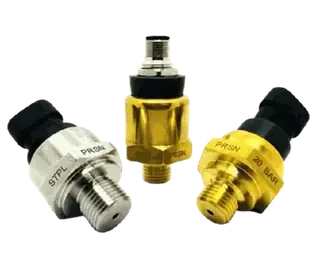
Continuous ceramic & MEMS pressure sensors for EGR, MAP, oil, fuel-rail and brake measurement.
Position Sensors
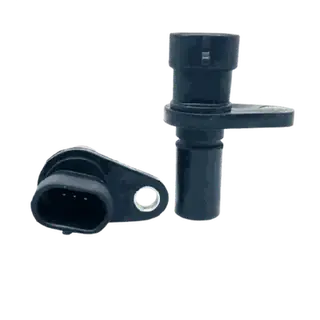
Non-contact cam, crank, and wheel speed sensors for engine management systems
Coolant Level Sensors
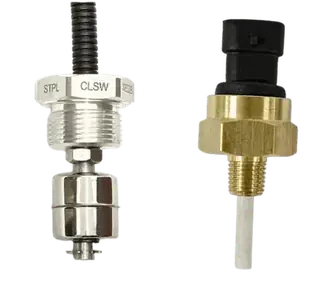
Capacitive non-contact coolant level monitoring with ±2 mm accuracy.